
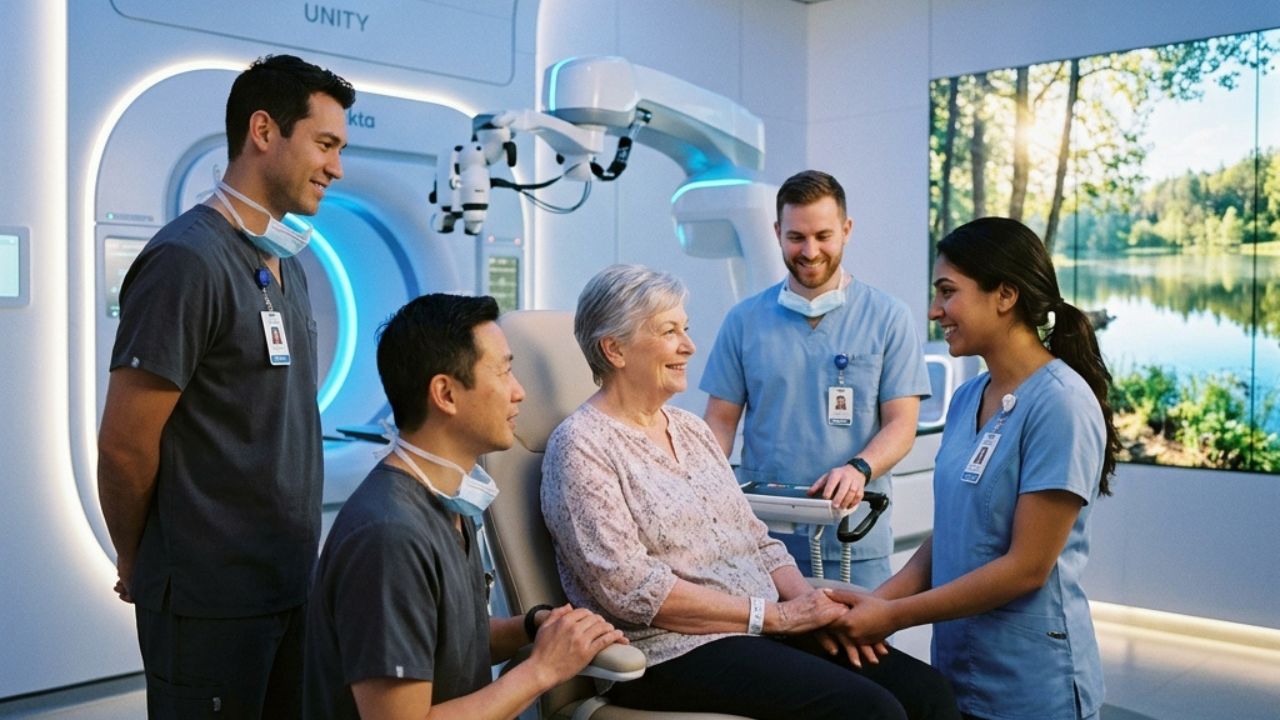
The best hospitals for cancer radiation therapy in the United States include MD Anderson Cancer Center, Memorial Sloan Kettering, and the Mayo Clinic. These institutions lead the nation by offering advanced technology, highly specialized radiation oncologists, and access to groundbreaking clinical trials for patients seeking top-tier cancer care.
A cancer diagnosis brings a flood of overwhelming information, medical terminology, and difficult decisions. Choosing where to receive treatment is one of the most critical choices a patient and their family will make. Radiation therapy is a cornerstone of cancer treatment, utilized in a significant percentage of oncology care plans to cure disease, prevent recurrence, or relieve symptoms. Finding a facility equipped with state-of-the-art technology and staffed by renowned specialists can significantly impact both the treatment experience and the overall outcome.
The United States is home to some of the world’s most advanced medical institutions. These hospitals continually push the boundaries of medical science, developing highly precise radiation delivery methods that target tumors while sparing healthy tissue. Navigating the options requires understanding what makes a hospital truly exceptional in the field of radiation oncology. This comprehensive guide details the top facilities across the country, outlines the critical factors to evaluate when making your choice, and provides actionable advice for accessing necessary support resources during your treatment journey.
Understanding the Basics of Cancer Radiation Therapy
Before evaluating specific medical centers, patients need a solid foundation regarding how radiation therapy works and the various delivery methods available today.
What exactly is radiation therapy?
Radiation therapy uses high doses of radiation to kill cancer cells and shrink tumors. At high doses, radiation therapy destroys cancer cells or slows their growth by damaging their DNA. Cancer cells whose DNA is damaged beyond repair stop dividing or die. When the damaged cells die, the body breaks them down and removes them.
What are the different types of radiation therapy?
There are two main types of radiation therapy used in modern oncology: external beam radiation therapy and internal radiation therapy.
External beam radiation therapy comes from a machine that aims radiation at your cancer. The machine is large and may be noisy, moving around the patient to send radiation from multiple directions. Common forms include 3D conformal radiation therapy, intensity-modulated radiation therapy (IMRT), and stereotactic body radiation therapy (SBRT). Advanced centers also offer proton beam therapy, which uses protons rather than X-rays to deliver a highly precise dose of radiation that stops directly at the tumor site.
Internal radiation therapy, also known as brachytherapy, is a treatment in which a source of radiation is put inside the body. The radiation source can be solid (implants like seeds, ribbons, or capsules) or liquid. Liquid radiation therapy is known as systemic therapy, which travels through the blood to tissues throughout the body, seeking out and killing cancer cells.
How should patients choose the right treatment center?
Selecting the right hospital involves aligning the patient’s specific diagnosis with a facility’s particular strengths. Patients should prioritize National Cancer Institute (NCI) designated comprehensive cancer centers, as these institutions meet rigorous standards for transdisciplinary, state-of-the-art research focused on developing new and better approaches to preventing, diagnosing, and treating cancer.
What factors matter when choosing a radiation oncology hospital?
Not all hospitals offer the exact same caliber of care or technological capabilities. Evaluating facilities based on specific, measurable criteria helps patients make informed, confident decisions.
Expertise and experience of the medical team
The skill of the radiation oncologist designing the treatment plan is just as important as the machine delivering the radiation. Top hospitals employ specialists who focus exclusively on specific types of cancer. A physician who treats hundreds of prostate cancer cases annually will possess deeper experiential knowledge than a general oncologist who sees a wide variety of cancers. Multidisciplinary tumor boards, where surgeons, medical oncologists, and radiation oncologists collaborate on individual patient cases, are a hallmark of elite medical teams.
Technology and advanced treatment options
Radiation oncology relies heavily on cutting-edge technology. Hospitals that invest in the latest equipment can offer treatments that maximize tumor control while minimizing side effects. Look for centers offering image-guided radiation therapy (IGRT), which uses frequent imaging during a course of radiation therapy to improve the precision and accuracy of the delivery. Proton therapy centers are also a strong indicator of an institution’s commitment to advanced oncological care, particularly for pediatric cancers and tumors located near critical organs like the brain or spine.
Patient-centered care and comprehensive support services
Cancer treatment affects every aspect of a person’s life. The best hospitals recognize this and provide robust support systems alongside medical treatment. High-quality centers offer integrated services including nutritional counseling, pain management specialists, physical therapy, and psychosocial support. A dedicated patient navigator can make a substantial difference by coordinating appointments, translating medical jargon, and acting as a single point of contact throughout the treatment process.
Access to research and clinical trials
Hospitals actively involved in clinical research offer patients access to the latest therapies before they become widely available. Clinical trials test new methods of delivering radiation, novel combinations of radiation with immunotherapy, and new drugs that make cancer cells more sensitive to radiation. Treating at a research-focused institution ensures the medical team is deeply engaged with the absolute latest advancements in the field.
What are the top hospitals for cancer radiation therapy in the USA?
The following institutions are widely recognized as leaders in oncology, consistently ranking at the top of national evaluations and maintaining NCI designation.
MD Anderson Cancer Center (Houston, TX)
The University of Texas MD Anderson Cancer Center consistently ranks as the top hospital for cancer care in the United States. Its Division of Radiation Oncology is one of the largest and most sophisticated in the world. MD Anderson operates a massive Proton Therapy Center and pioneers research in stereotactic ablative radiotherapy. Their highly sub-specialized approach means patients are treated by experts who dedicate their entire practice to a single type of cancer, resulting in highly customized and precise treatment plans.
Memorial Sloan Kettering Cancer Center (New York, NY)
Memorial Sloan Kettering Cancer Center (MSKCC) is the world’s oldest and largest private cancer center. The Department of Radiation Oncology at MSKCC is globally recognized for developing intensity-modulated radiation therapy (IMRT), a technology now used worldwide. They utilize state-of-the-art MRI-guided radiation therapy, which allows doctors to see tumors in real-time and adjust the radiation beam on the spot, providing unparalleled precision for complex abdominal and pelvic cancers.
Mayo Clinic (Rochester, MN)
The Mayo Clinic is famous for its integrated, team-based approach to medicine. Their radiation oncology department provides exceptional care through a highly collaborative model. The Mayo Clinic operates a state-of-the-art Proton Beam Therapy Program, utilizing pencil beam scanning to deliver radiation with extreme accuracy. Their commitment to treating the whole patient ensures that radiation therapy is perfectly coordinated with surgery, chemotherapy, and robust rehabilitation services.
Dana-Farber Cancer Institute (Boston, MA)
Affiliated with Harvard Medical School and Brigham and Women’s Hospital, Dana-Farber Cancer Institute brings immense academic and clinical expertise to radiation oncology. The institution is heavily involved in pioneering clinical trials and translational research. Dana-Farber excels in combining radiation therapy with emerging systemic treatments, such as targeted therapies and immunotherapies, offering patients innovative protocols that are not available at standard community hospitals.
Cleveland Clinic (Cleveland, OH)
The Cleveland Clinic Taussig Cancer Center offers a highly advanced radiation oncology program. The facility is equipped with the latest linear accelerators and operates a highly successful Gamma Knife program for brain tumors and neurological conditions. The Cleveland Clinic places a strong emphasis on rapid diagnosis and treatment initiation, understanding that minimizing the time between diagnosis and the start of radiation therapy is crucial for patient outcomes and psychological well-being.
Johns Hopkins Hospital (Baltimore, MD)
The Sidney Kimmel Comprehensive Cancer Center at Johns Hopkins is a powerhouse of oncology research and clinical care. Their radiation oncology department is noted for its work in molecular radiation sciences, studying how radiation interacts with cancer cells at the genetic level to improve treatment efficacy. Johns Hopkins offers highly specialized programs for pancreatic cancer, brain tumors, and head and neck cancers, utilizing advanced targeting techniques to preserve patient quality of life.
Stanford Health Care (Stanford, CA)
Stanford Health Care has a rich history of innovation in radiation oncology, most notably as the birthplace of the CyberKnife robotic radiosurgery system. The Stanford Cancer Institute continues this legacy of technological advancement. Their clinicians are experts in utilizing stereotactic body radiation therapy (SBRT) to deliver massive doses of radiation to small targets in very few sessions, offering a non-invasive alternative to surgery for many medically inoperable patients.
Hospitals of the University of Pennsylvania (Philadelphia, PA)
Penn Medicine’s Abramson Cancer Center is home to the Roberts Proton Therapy Center, the largest facility in the world integrating conventional radiation therapy and proton radiation under one roof. Penn Medicine is a leader in advancing the science of proton therapy, heavily researching its benefits for various disease sites. Their radiation oncologists work closely with the cellular therapy teams, exploring the synergies between radiation and CAR T-cell therapy.
Northwestern Memorial Hospital (Chicago, IL)
The Robert H. Lurie Comprehensive Cancer Center of Northwestern University provides top-tier radiation oncology services in the Midwest. Northwestern Memorial Hospital utilizes advanced imaging and delivery systems to treat complex tumors. They have specific expertise in treating central nervous system malignancies and genitourinary cancers. The hospital is deeply committed to survivorship programs, ensuring patients receive ongoing monitoring and support long after their radiation treatments conclude.
UCLA Medical Center (Los Angeles, CA)
The Jonsson Comprehensive Cancer Center at UCLA Health offers pioneering radiation therapy options on the West Coast. UCLA is recognized for its excellence in utilizing MRI-guided radiotherapy and integrating artificial intelligence into treatment planning to improve accuracy and efficiency. Their multidisciplinary teams are highly skilled at managing complex cases, and the institution provides extensive access to early-phase clinical trials for patients with advanced or recurrent cancers.
What patient resources and support systems are available?
Managing the logistics of cancer treatment requires significant effort. Top hospitals provide specialized departments to help patients navigate these non-medical challenges.
Navigating financial assistance and health insurance
Radiation therapy is expensive, and navigating insurance coverage causes significant stress for many families. Elite cancer centers employ dedicated financial counselors who help patients understand their benefits, obtain necessary pre-authorizations, and estimate out-of-pocket costs. These professionals also connect eligible patients with hospital-based financial assistance programs, pharmaceutical patient assistance programs, and national non-profits that help cover the costs of co-pays and deductibles.
Finding accommodation and managing travel
Many patients travel out of state to access the specialized care offered by top-tier hospitals. Since external beam radiation therapy often requires daily treatments for several weeks, finding temporary housing is a major logistical hurdle. Social workers at these institutions assist patients in securing lodging. Many hospitals have partnerships with organizations like the American Cancer Society’s Hope Lodge or local hospitality houses, offering free or deeply discounted accommodations for out-of-town patients and their caregivers.
Accessing support groups and emotional counseling
The emotional toll of a cancer diagnosis and subsequent treatment is profound. Top hospitals prioritize mental health by providing on-site oncology social workers, psychologists, and psychiatrists. Support groups connect patients with others facing similar diagnoses, fostering a sense of community and shared understanding. Many centers also offer specialized programs for caregivers, recognizing that family members also require emotional support during the treatment process.
Taking the Next Steps in Your Cancer Treatment Journey
Selecting the right hospital for cancer radiation therapy requires carefully weighing a facility’s technological capabilities, clinical expertise, and supportive care resources. Institutions like MD Anderson, Memorial Sloan Kettering, and the Mayo Clinic set the gold standard for oncological care in the United States. By prioritizing National Cancer Institute designation and seeking out multidisciplinary treatment teams, patients position themselves for the best possible outcomes.
Facing cancer is a massive challenge, but you do not have to navigate it alone. Speak thoroughly with your current referring physician, request copies of all your pathology reports and imaging scans, and do not hesitate to seek a second opinion from one of these top-tier academic medical centers to ensure your treatment plan is as effective and targeted as possible.
Frequently Asked Questions About Cancer Radiation Therapy
How much does cancer radiation therapy cost?
The cost of radiation therapy varies widely depending on the type of radiation, the number of treatments required, and the specific hospital. A standard course of external beam radiation can range from $10,000 to $50,000, while advanced treatments like proton therapy can cost substantially more. Most major health insurance plans and Medicare cover radiation therapy, but patients should always consult a financial counselor to understand their specific deductibles and out-of-pocket maximums.
What is the typical timeline for radiation therapy?
For traditional external beam radiation therapy, treatments are usually administered five days a week (Monday through Friday) for a period of three to eight weeks. Each actual treatment session only takes a few minutes, though patients are usually in the clinic for about an hour. Advanced techniques like stereotactic body radiation therapy (SBRT) deliver higher doses in fewer sessions, often completing the entire treatment course in just one to five visits.
What are the alternatives to radiation therapy?
The main alternatives or complements to radiation therapy include surgical tumor removal and systemic therapies (such as chemotherapy, targeted therapy, and immunotherapy). The best approach depends heavily on the type and stage of the cancer. Choose surgery if the tumor is highly localized and safely resectable. Choose systemic therapy if the cancer has spread to multiple areas of the body. Often, a combination of these modalities provides the highest chance of a cure.
Who is radiation therapy best for?
Radiation therapy is suitable for a wide variety of patients. It is highly effective for localized solid tumors, such as breast, prostate, lung, and head and neck cancers. It is also used palliatively for patients with advanced cancer to shrink tumors that are causing pain or pressing on vital organs, thereby significantly improving the patient’s quality of life.