
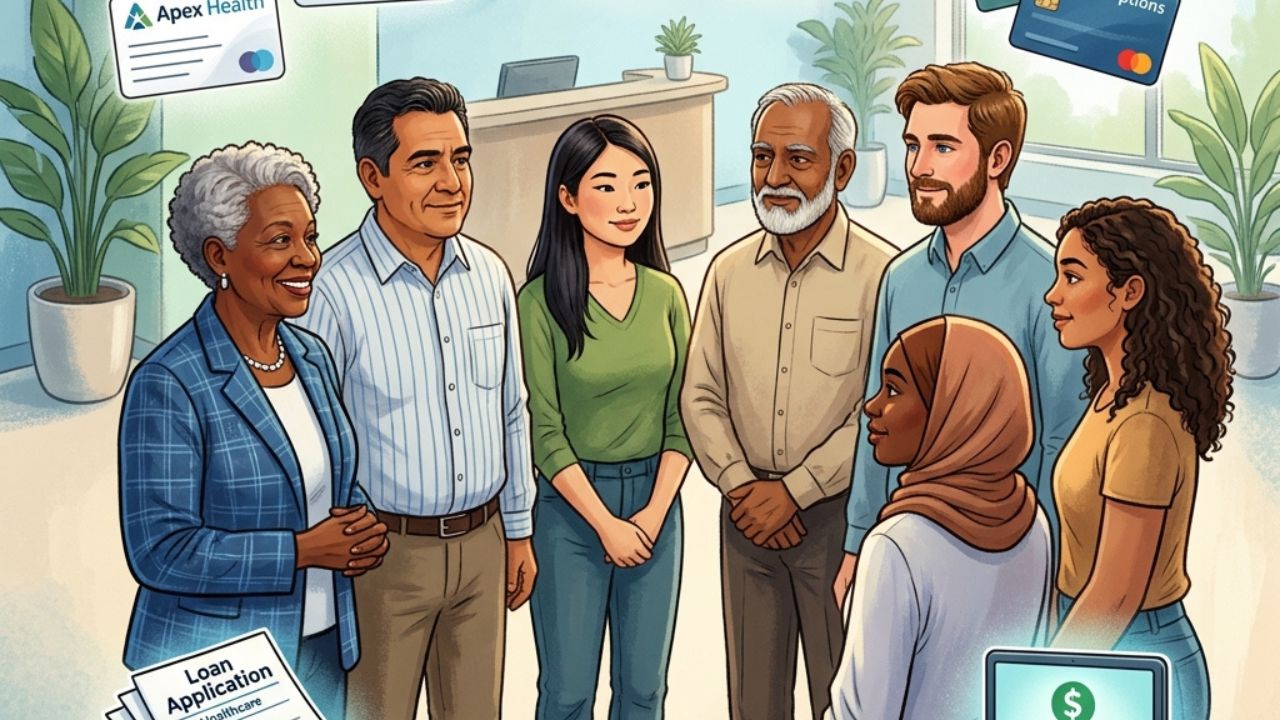
The best healthcare financing options for expensive treatments include negotiating directly with providers, setting up hospital payment plans, utilizing Health Savings Accounts (HSAs), and applying for charitable patient assistance programs. Government programs, specialized medical credit cards, and community crowdfunding can also provide essential financial relief for massive medical bills.
Medical emergencies and chronic illnesses bring enough stress without the added weight of financial ruin. The rising cost of healthcare treatments has created a landscape where even routine procedures carry staggering price tags. For families facing serious diagnoses, the emotional and financial burden can quickly become overwhelming. Patients often find themselves delaying necessary care or draining life savings just to survive.
Navigating the complexities of the healthcare system requires patience, knowledge, and strategic planning. Fortunately, patients are not entirely without resources. A variety of avenues exist to help manage and mitigate these enormous costs.
This guide breaks down the complex world of healthcare financing. By understanding insurance nuances, leveraging government assistance, and exploring alternative funding methods, patients can take proactive steps to protect their physical health and their financial future.
How can I maximize my current health insurance coverage?
The first line of defense against exorbitant medical costs is your primary health insurance. However, simply having insurance does not guarantee complete coverage. Patients must actively understand the mechanics of their specific policies.
Differentiating between plan types is essential. Health Maintenance Organizations (HMOs) generally require you to use a specific network of local doctors and get referrals for specialists. Preferred Provider Organizations (PPOs) offer more flexibility to see out-of-network providers, though staying in-network costs less. High Deductible Health Plans (HDHPs) feature lower monthly premiums but require you to pay a large deductible before the insurance company covers anything.
Understanding your deductible, co-pays, and out-of-pocket maximums is vital. The out-of-pocket maximum is the absolute cap on what you will pay in a given year for covered services. Once you hit this threshold, the insurance company covers 100% of allowable charges.
Navigating denied claims and appeals processes requires persistence. Insurance companies frequently deny claims due to coding errors or disagreements over medical necessity. Patients have the legal right to appeal these decisions. Request an itemized bill, compare it against your Explanation of Benefits (EOB), and work with your doctor’s billing office to submit a formal appeal letter accompanied by letters of medical necessity.
Which government programs assist with expensive medical bills?
When private insurance falls short, government-assisted healthcare programs provide a critical safety net for eligible individuals.
Medicaid and the Children’s Health Insurance Program (CHIP) offer free or low-cost health coverage to millions of Americans. Eligibility for Medicaid is primarily based on income and family size, though criteria vary significantly by state. CHIP provides comprehensive coverage for children in families who earn too much to qualify for Medicaid but cannot afford private insurance.
Medicare serves primarily as the federal health insurance program for people aged 65 and older, though younger individuals with certain disabilities also qualify. Medicare is divided into distinct parts:
- Part A (Hospital Insurance): Covers inpatient hospital stays, care in a skilled nursing facility, hospice care, and some home health care.
- Part B (Medical Insurance): Covers certain doctors’ services, outpatient care, medical supplies, and preventive services.
- Part C (Medicare Advantage): An all-in-one alternative to Original Medicare offered by private companies approved by Medicare.
- Part D (Prescription Drug Coverage): Helps cover the cost of prescription drugs.
Additionally, many state-specific programs and resources exist to bridge gaps. State pharmaceutical assistance programs, for instance, help residents pay for prescription medications. Contacting your state’s department of health can reveal localized funds specifically designated for underinsured residents.
Should I use medical loans or credit cards for healthcare?
When insurance and government aid are insufficient, patients often turn to credit. Financing medical debt requires careful calculation to avoid predatory interest rates.
Personal loans for medical expenses offer a lump sum of money with a fixed interest rate and a set repayment term. The primary advantage is predictability; you know exactly what your monthly payment will be. However, individuals with poor credit scores may face exorbitant interest rates, making the long-term cost of the loan substantially higher than the original medical bill.
Medical credit cards, such as CareCredit, operate differently than standard credit cards. They often offer promotional periods of deferred interest (e.g., 6, 12, or 18 months). If you pay the full balance within this promotional window, you pay zero interest. Failure to pay off the balance before the period expires results in retroactive interest applied from the original purchase date, which can immediately cripple a patient’s finances.
Home equity loans or lines of credit (HELOC) allow homeowners to borrow against the equity in their property. These options typically offer lower interest rates than unsecured personal loans or credit cards. However, using a HELOC for healthcare is risky; if you default on the payments, you could lose your home. Choose this route only when you have a secure, guaranteed plan for repayment.
Are there non-profits or patient assistance programs for medical debt?
Charitable organizations and pharmaceutical companies frequently step in where traditional financing fails. These entities recognize the barriers high costs create for patient health.
Pharmaceutical company patient assistance programs (PAPs) are designed to help uninsured or underinsured patients access expensive medications. Companies like Pfizer, Johnson & Johnson, and Novartis offer programs that can reduce medication costs to zero for qualifying individuals. Patients usually need their doctor to help submit the application, which requires proof of income and a valid prescription.
Disease-specific foundations and charities provide targeted relief. Organizations like the Leukemia & Lymphoma Society, the American Cancer Society, and the HealthWell Foundation offer grants to help cover co-pays, health insurance premiums, and travel expenses related to treatment. Because these funds are highly sought after, patients should apply as soon as they receive a diagnosis.
Hospital financial assistance and charity care policies are legally mandated for non-profit hospitals. These hospitals must offer discounted or free care to patients who meet specific income guidelines. Before putting a hospital bill on a credit card, ask the billing department for their financial assistance application. Many patients qualify for significant bill reductions without realizing it.
How does medical crowdfunding work for expensive treatments?
The digital age has transformed community support into a global phenomenon. Medical crowdfunding platforms allow patients to raise funds directly from friends, family, and strangers.
Platforms like GoFundMe, Fundly, and GiveForward allow users to create dedicated campaign pages outlining their medical journey and financial needs. The platforms typically deduct a small transaction fee from each donation, but the majority of the funds go directly to the organizer.
Tips for a successful crowdfunding campaign center on transparency and storytelling. campaigns perform best when they include clear, high-quality photos, frequent updates about the patient’s condition, and a specific breakdown of how the funds will be used. Authenticity drives engagement.
Leveraging community and social networks is the engine of crowdfunding. A successful campaign requires aggressive sharing on platforms like Facebook, X (formerly Twitter), and Instagram. Asking local community leaders, religious organizations, or local news outlets to share the campaign can push it beyond the patient’s immediate social circle, driving vital contributions.
How can I negotiate medical bills and set up payment plans?
Medical bills are rarely non-negotiable. Hospitals and clinics anticipate a certain percentage of unpaid bills, which makes them highly receptive to negotiation and structured payments.
Setting up direct payment plans with hospitals and clinics is often the most straightforward approach. Most healthcare providers prefer a slow, steady stream of income over sending an account to a debt collector. Call the billing department and propose a monthly payment you can genuinely afford. Many providers will set up interest-free payment plans stretching across several years.
Negotiating medical bills requires preparation. Start by requesting an itemized bill to see every specific charge. You can use resources like the Healthcare Bluebook or FAIR Health Consumer to find the standard rates for procedures in your zip code. If your hospital is charging significantly above the standard rate, use that data to request a reduction. Offering to pay a lump sum upfront can also result in a 20% to 30% discount on the total bill.
Understanding medical billing errors and how to dispute them is a crucial skill. Up to 80% of medical bills contain errors. Look for duplicate charges, charges for canceled services, or incorrect billing codes. If you spot an error, contact the provider immediately in writing to dispute the charge and halt the collections process.
What is the difference between HSAs and FSAs for medical savings?
Tax-advantaged savings accounts allow individuals to set aside pre-tax money specifically for healthcare expenses, providing a buffer against future medical shocks.
Health Savings Accounts (HSAs) offer a triple tax advantage: contributions are tax-deductible, the money grows tax-free, and withdrawals for qualified medical expenses are tax-free. To qualify for an HSA, you must be enrolled in a High Deductible Health Plan (HDHP). Unlike other accounts, HSA funds roll over from year to year, and the account belongs to you, meaning you keep it even if you change employers. Additionally, HSA funds can be invested in mutual funds and stocks, making them powerful long-term financial tools.
Flexible Spending Accounts (FSAs) are set up through an employer. Like HSAs, contributions are made with pre-tax dollars. However, FSAs generally operate under a “use-it-or-lose-it” rule. If you do not spend the funds by the end of the plan year (or a brief grace period), you forfeit the remaining money back to your employer. FSAs cover a wide range of eligible expenses, from co-pays to prescription glasses, but they require careful annual planning to avoid losing money.
Comparing HSAs and FSAs for long-term healthcare savings reveals that HSAs are vastly superior for long-term wealth building and financing expensive, unforeseen treatments. FSAs are better suited for predictable, short-term, out-of-pocket expenses for the current calendar year.
What legal protections exist against surprise medical billing?
Patients fighting for their lives should not have to fight aggressive, unfair billing practices. Federal and state laws offer distinct protections to consumers facing medical debt.
The No Surprises Act, which went into effect on January 1, 2022, protects patients from the most common types of surprise out-of-network bills. If you receive emergency care, or if you are treated by an out-of-network provider at an in-network hospital (such as an out-of-network anesthesiologist during surgery), the law prohibits the provider from billing you more than your in-network cost-sharing amount.
Consumer protection laws related to medical debt prevent debt collectors from engaging in abusive or deceptive practices. The Fair Debt Collection Practices Act (FDCPA) restricts when and how collectors can contact you. Furthermore, recent changes by major credit reporting agencies have removed paid medical collection debt from credit reports and instituted a one-year grace period before unpaid medical debt appears on credit reports.
Seeking legal aid for medical billing disputes is an option for patients facing aggressive litigation from providers. Legal Aid societies provide free legal services to low-income individuals facing lawsuits over medical debt. Medical billing advocates can also be hired to review extensive hospital bills, identify errors, and negotiate on the patient’s behalf.
Taking control of your healthcare financing journey
Securing funding for expensive medical treatments requires a multifaceted approach. Patients must advocate for themselves by fully utilizing their insurance benefits, appealing denials, and seeking out hospital charity care programs. Tax-advantaged accounts like HSAs and community-driven efforts like crowdfunding provide additional, necessary lifelines.
Empowering patients to advocate for themselves changes the dynamic between consumers and the healthcare system. Never accept a massive medical bill at face value. Request itemized statements, check for errors, and negotiate aggressively.
Navigating the complexities of healthcare financing is daunting, but taking immediate, organized action can protect your financial stability. By combining federal protections, targeted negotiations, and charitable resources, families can weather the financial storm of severe illness and focus their energy on what truly matters: healing and recovery.
Frequently Asked Questions
What should I do if my insurance denies coverage for an expensive treatment?
First, carefully review your Explanation of Benefits (EOB) to understand why the claim was denied. Request an itemized bill from your provider and compare it to the EOB to spot coding errors. If the treatment is medically necessary, work directly with your doctor to write a formal letter of medical necessity and submit a formal appeal to your insurance company.
How do I apply for hospital charity care or financial assistance?
Every non-profit hospital is required to have a financial assistance policy. Contact the hospital’s billing department before you pay the bill and ask for an application. You will typically need to provide proof of income, such as recent tax returns or pay stubs, to demonstrate financial hardship.
Will unpaid medical debt ruin my credit score?
Unpaid medical debt can negatively impact your credit, but consumer protections are increasing. Under recent credit reporting changes, unpaid medical debt will not appear on your credit report for a full 365 days, giving you time to resolve the bill. Additionally, medical debt that has been paid off will no longer remain on your credit history.
Can I negotiate a medical bill that has already been sent to collections?
Yes. Debt collection agencies buy medical debt for pennies on the dollar, meaning they are often willing to settle the account for much less than the original balance. Request debt validation first to ensure they legally own the debt, then offer a lump sum payment (e.g., 30% to 50% of the total) in exchange for closing the account. Ensure you get any settlement agreement in writing before sending money.